


Most solar surveys go the same way: ladder out, roof measured, panels counted, price given, and the homeowner says they'll think about it. That job was lost in the first five minutes, because nobody asked what the house costs to run.
The person on the drive has usually been set off by a bill that frightened them, a car or a heat pump on the way that will push the bill up, or a neighbour's panels. They're asking whether you're the one to trust with one of the biggest cheques they'll write outside the house itself.

The first five minutes, before the ladder comes off the van
- 01
Ask what set them off
Let them tell you why now. Their answer is what you anchor the whole visit on, so write their words down.
Ask: What made you start looking at solar this year? What changed?
- 02
Get the bill in your hand
Not their memory of it. The yearly kWh, the unit rate and the tariff are on the bill, and the figure people remember is often wrong. Then ask what's coming: a car, a heat pump, someone working from home. It changes the battery more than the roof does.
Ask: Have you got your last bill, or the app, so we size this on your real numbers?
- 03
Find out who else decides
If a partner is out, they'll hear your pitch second-hand from someone who was half listening. Better to know at the door and book back for when both are home than to quote to half the household.
Ask: Is anyone else part of this decision? Would they want to hear the numbers too?
- 04
Find out where they are
A first-quote customer needs teaching. Someone comparing needs the difference shown side by side. Someone close to deciding needs a clear next step.
Ask: Have you had any other quotes yet? What did you make of them?
- 05
Ask the blocker question before you price
They'll tell you the objection while it's cheap to answer, instead of at the kitchen table while you're packing up.
Ask: If the numbers stack up and you like the kit, what would stop you going ahead?
The number that closes it
On paper, in front of them, work out what their house costs a day to run from their own bill, then cross it out and write what it costs with the system. Payback is your price divided by the yearly benefit, and it is an estimate: write the assumptions on the quote beside the warranty length, then let them read it.
What to bring to every survey

Their bill, not their memory
Ask them to have the last bill or the app open before you arrive. Every number you show them rests on it.

A pad and a calculator
Do the sum by hand in front of them. A figure they watched you work out is one they believe.

Proof they are protected
Your accreditations, your consumer code and how the payments are staged, on one page they can keep.

A customer they can ring
The name of a happy customer nearby who will take a call. One honest phone call does more than a page of reviews.
Four things you'll hear on the drive
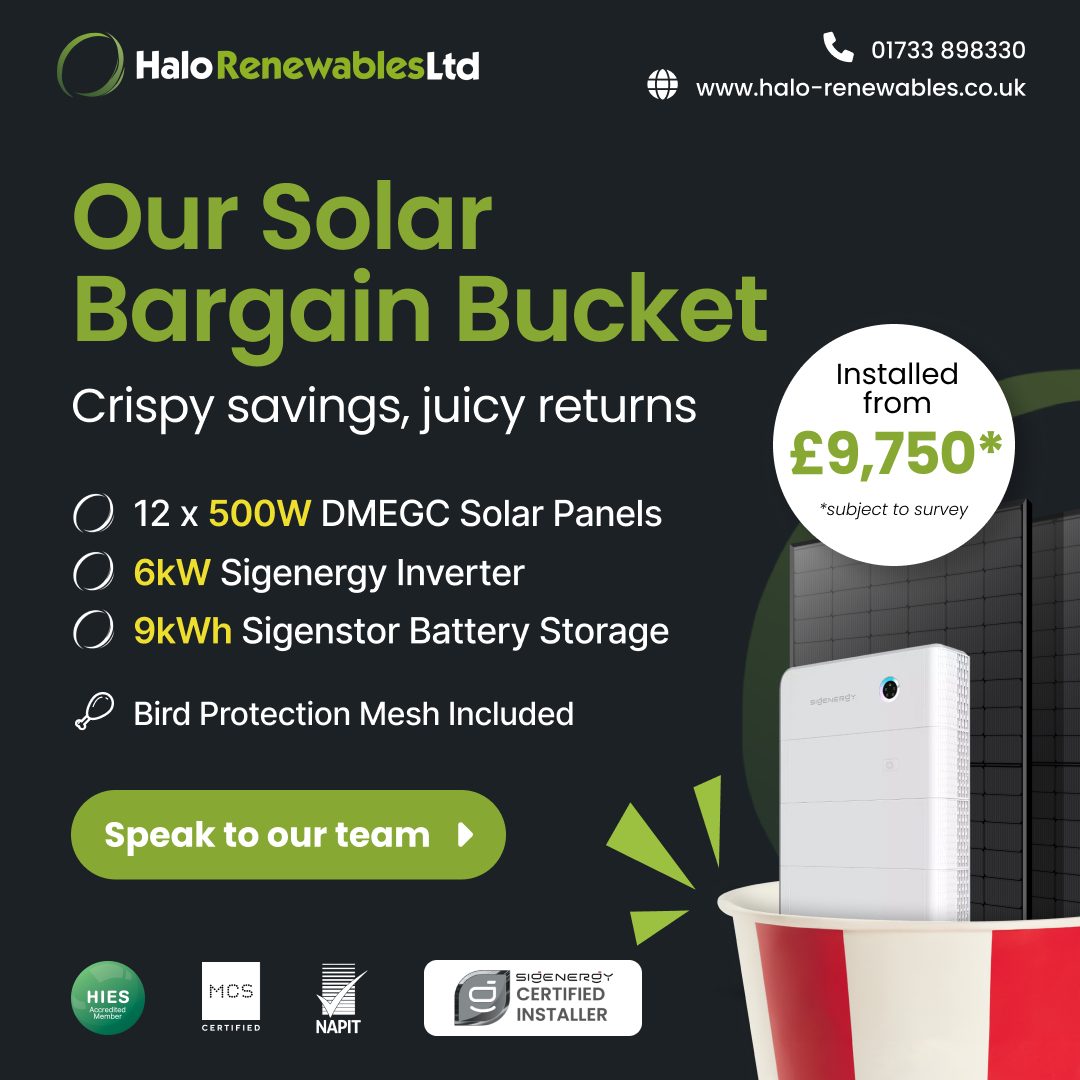
Adverts that bring this buyer in


What good looks like from the survey
After the quote
- On the day
Send it before you leave the street
Send the quote while you're still with them and ask them to check it has arrived. A customer who signs at home usually has a legal right to cancel, so hand over the cancellation paperwork and say so out loud.
- Day 1
A voice note, not a text
Thirty seconds on WhatsApp: thanks, the one thing they said mattered, and the spec sheets attached. A voice note sounds like you, where a text sounds like a system.
- Day 3
Use the reason they gave you
If they wanted it running before winter, tell them what has to happen this week for that to be true: scaffold booked, the DNO application in, an install slot held.
- Day 7
Ring and ask straight
Ask where they've got to and what's left to decide.



“I thought my growth would be slower”
What solar installers ask
Should I lead with the battery or the panels?
Lead with what their bill and their plans point to. A household with a car or a heat pump on the way often gets more from the battery first.
How do I handle a customer who already has three quotes?
Lay them side by side: battery size, panel output, warranty and who answers the phone when something fails. Never run down the other installer by name.
Should I give a price on the first call?
Give a range and explain how finance works, if you are authorised to offer credit or through your finance provider. The exact figure comes after the survey, once you have their bill.
What if the payback looks long?
Offer a smaller system, not a discount. Show the payback as an estimate, with the assumptions written on the quote.
How soon should I follow up?
A voice note the next day, then a call within the week built on the reason they gave you for buying. Ask straight where they have got to.

 WhatsApp Keilan
 Chesney Stewart