


Leads do not turn into jobs on their own. Somebody rings them, quickly, and keeps ringing. Everything in this first issue comes back to that.
The number: appointments are made by people on the phone
The advert: nothing for the homeowner to work out

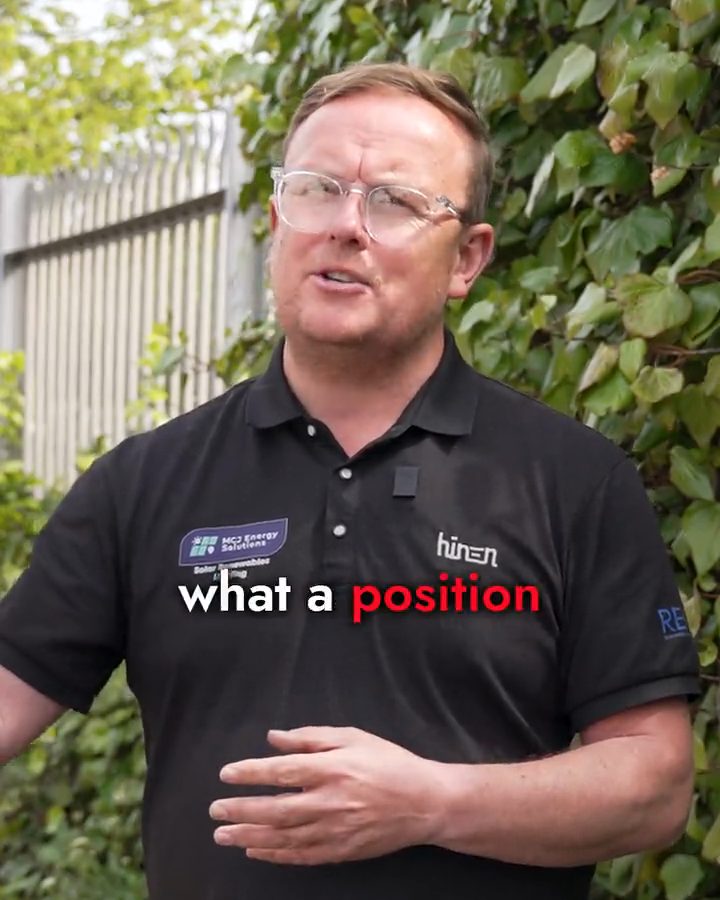
The film: the installer behind that advert

“It's just transformed it completely”

Try this month: read your own automatic texts

What an automatic text should say
It can say who you are and that a person will ring. It never promises a time nobody is guaranteeing, and a reminder that says tomorrow to someone booked for today does the same damage. Let a machine confirm only what a person has already done.
Ten minutes, on your phone
- Fill in your own enquiry form and read every message you get back.
- Delete any line that promises a person will do something by a time nobody guarantees.
- Swap today and tomorrow for the actual date and time.
- Make sure a reply from the homeowner stops the automatic messages and goes to a person.
- Give the first call to one named person, with a time to beat.
This month
A text that promises a call nobody makes does more damage than no text at all.


What installers ask about this month's briefing
What should an automatic text say?
Who you are and that a person will ring. It never promises a time nobody is guaranteeing.
Who should make the first call?
One named person, with a time to beat. When everyone owns the first call, nobody makes it.
What happens when a homeowner replies to the text?
The reply should stop the automatic messages and go straight to a person.
How often does the briefing come out?
Every month, and each one is a two-minute read.

 WhatsApp Keilan
 Chesney Stewart